1. Executive Summary & Design Stakes
In high-value subterranean civil assets—such as metro station concourses, deep multi-level commercial basements, and highway underpasses—waterproofing membrane failure results in severe commercial disruption and millions of rupees in remedial grouting costs.
While standard oxidized bitumen felts have been obsolete for decades, civil designers frequently encounter conflicting guidance regarding whether to specify Atactic Polypropylene (APP) or Styrene-Butadiene-Styrene (SBS) modified bituminous sheets. This technical bulletin establishes objective performance criteria based on ASTM D6164 and IS 16471 benchmarks.
2. Polymer Chemical Modification: Plastomeric vs Elastomeric
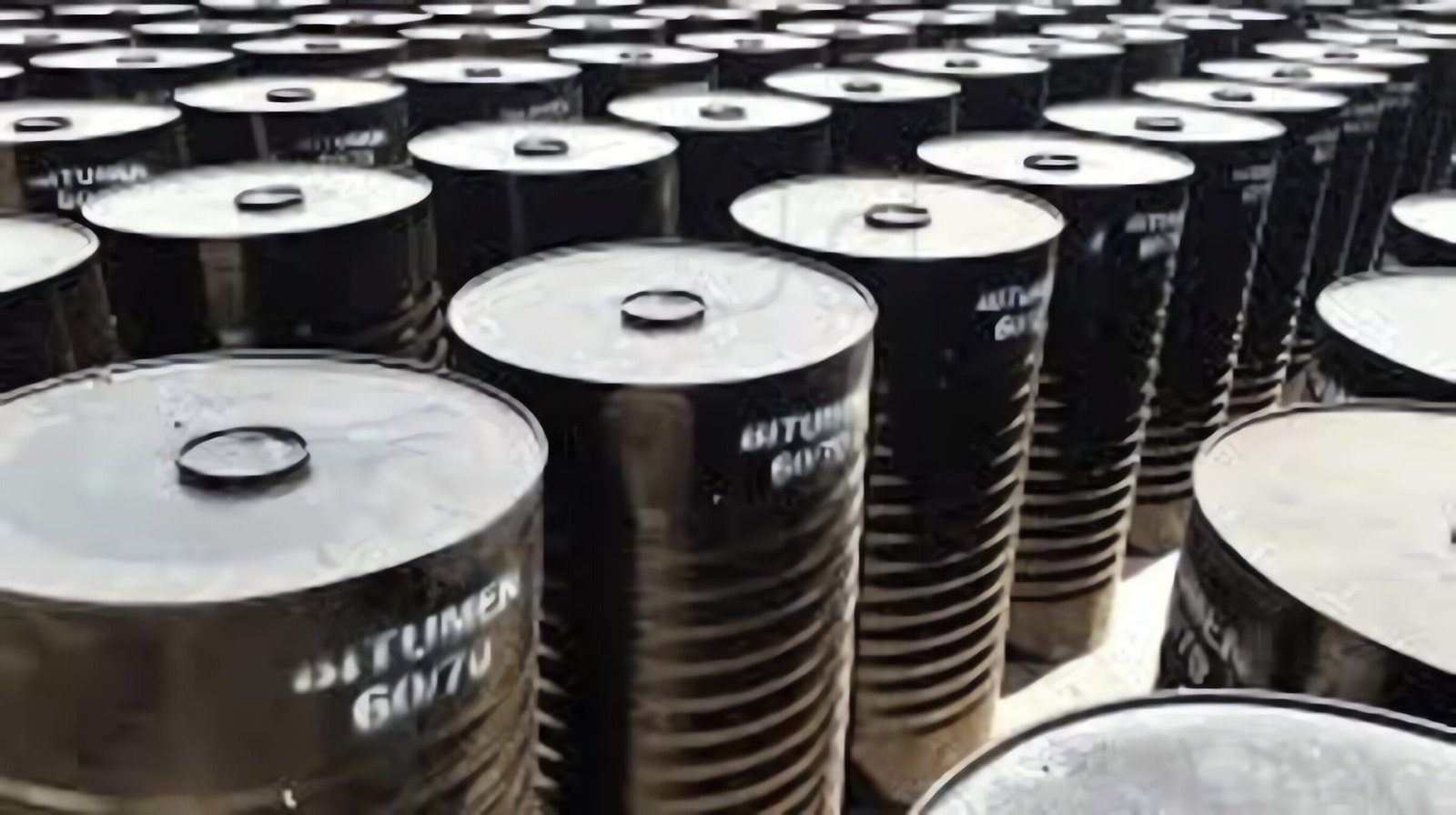
APP (Atactic Polypropylene) is a thermoplastic polymer. When blended into paving-grade bitumen at high temperatures (typically 180°C–200°C), it creates a plastomeric matrix. This imbues the membrane with outstanding UV resistance, exceptional resistance to softening at high temperatures (up to 150°C), and high mechanical rigidity.
SBS (Styrene-Butadiene-Styrene) is a synthetic rubber elastomer. It creates a flexible three-dimensional physical crosslink within the bitumen. SBS membranes excel in cold climates, offering high elastic recovery (> 90%) and superior crack-bridging capability under dynamic structural movement.
3. Comparative Engineering Property Matrix
| Parameter |
APP Membrane (4mm) |
SBS Membrane (4mm) |
Design Implication |
| Softening Point |
> 150°C |
110°C – 120°C |
APP superior for hot climates (Rajasthan, Gujarat) |
| Cold Flexibility |
-2°C to -5°C |
-15°C to -25°C |
SBS superior for freeze-thaw alpine zones |
| Elongation at Break |
40% – 50% |
150% – 300% |
SBS accommodates live thermal expansion joints |
| Torch-On Workability |
High (Fast Melt) |
Requires gentle heat |
APP minimizes contractor burn-through errors |
4. Regional Recommendation: Western India & North Zone
Specification Rule of Thumb for Indian Ambient Conditions:
In Rajasthan, Delhi NCR, and Gujarat, where summer roof slab temperatures routinely exceed 65°C, APP 4mm mineral-finish membranes provide significantly higher creep resistance and puncture durability during reinforcement steel placement than SBS sheets.
5. Seam Welding & Overlap Protocol
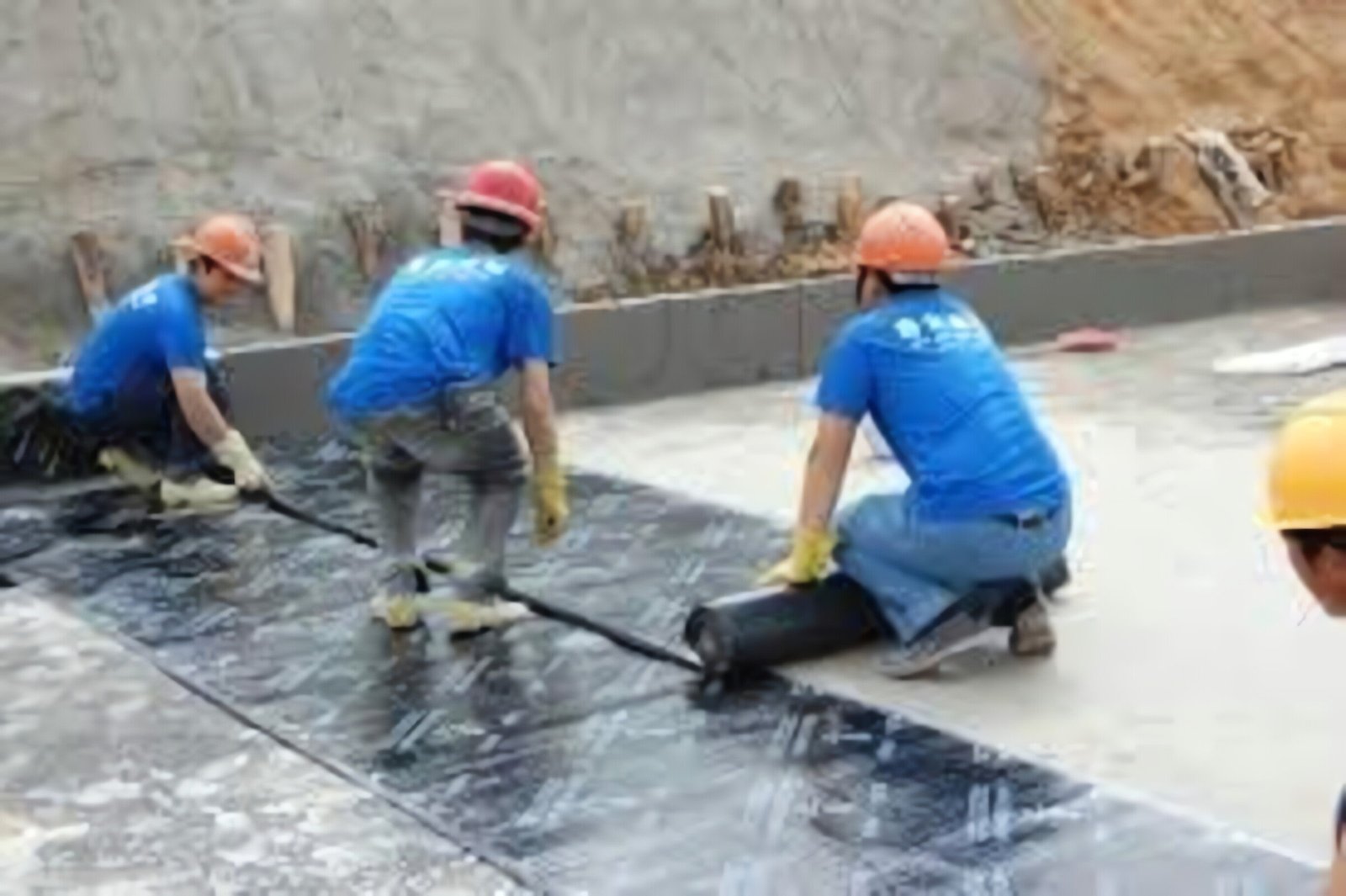
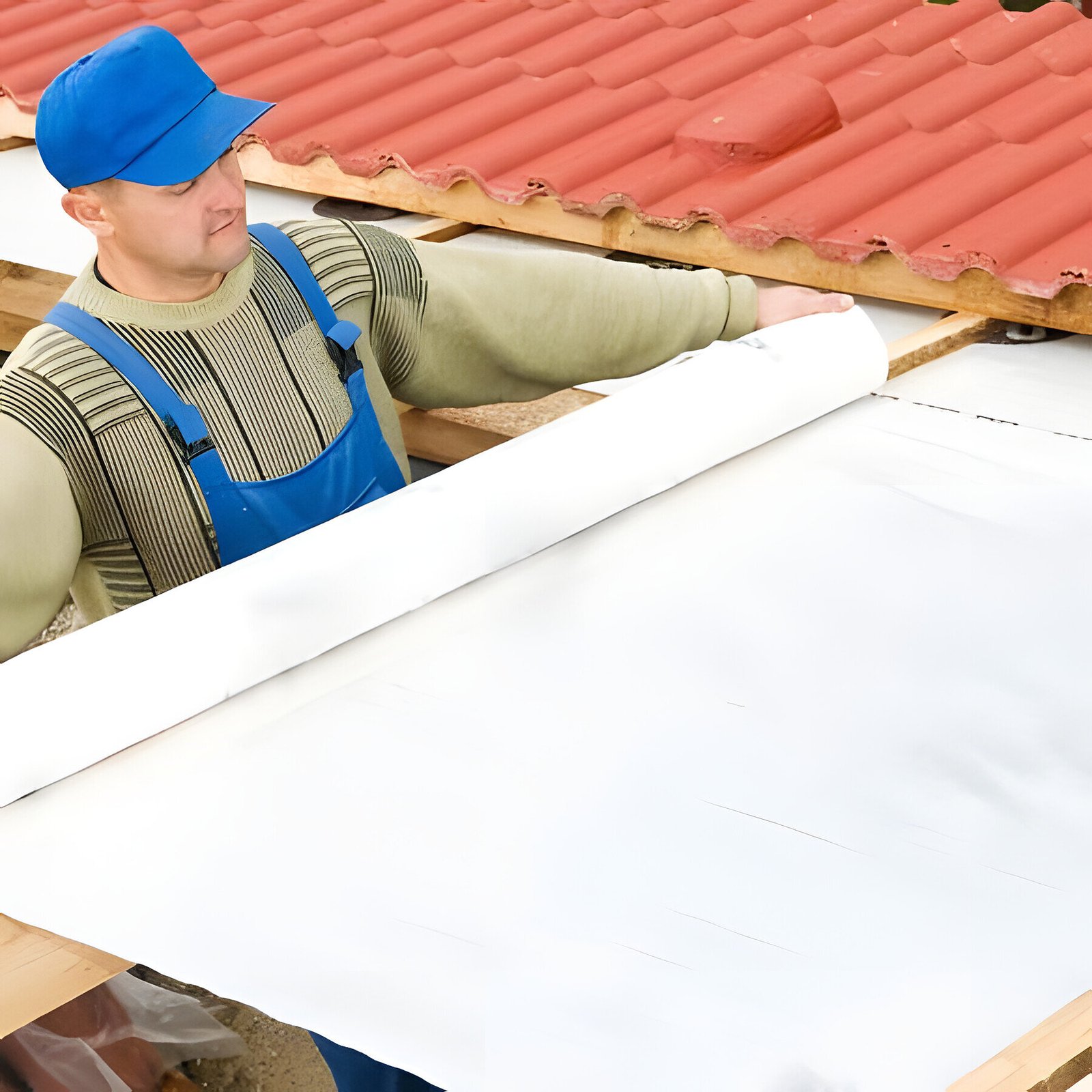
Ensure a minimum 100mm longitudinal side lap and 150mm transverse end lap. Flame torch heating must produce a continuous 5mm to 10mm bead of extruded bitumen bleed along the entire seam line. Overlaps must never be walked upon until fully cooled to ambient temperature.
RV
Er. Rajesh Varma
Lead Materials Engineer · Rajguru Sales Technical Desk
Certified auditor for civil waterproofing compliance and ASTM standard materials testing. Available for project-specific BOM reviews.